
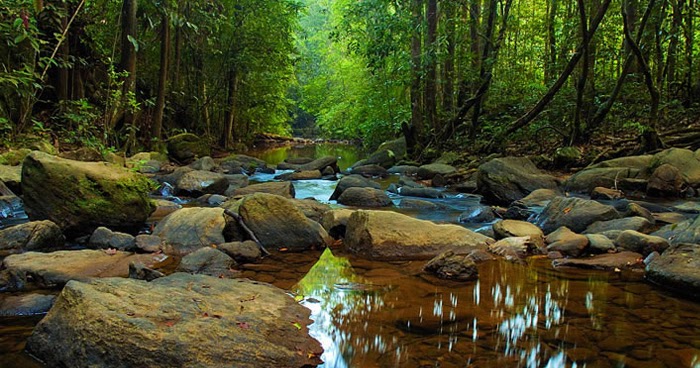
Sinharaja Forest Reserve Sri Lanka
Welcome to your comprehensive guide to Sinharaja Forest Reserve, Sri Lanka’s most pristine and biodiverse tropical rainforest destination. At Roxaval Travels, we specialize in offering unforgettable tour packages to this UNESCO World Heritage Site. Whether you’re a nature enthusiast, wildlife photographer, or adventure seeker, Sinharaja offers an experience like no other.
What is Sinharaja Forest Reserve? – Understanding Sri Lanka’s Last Viable Rainforest
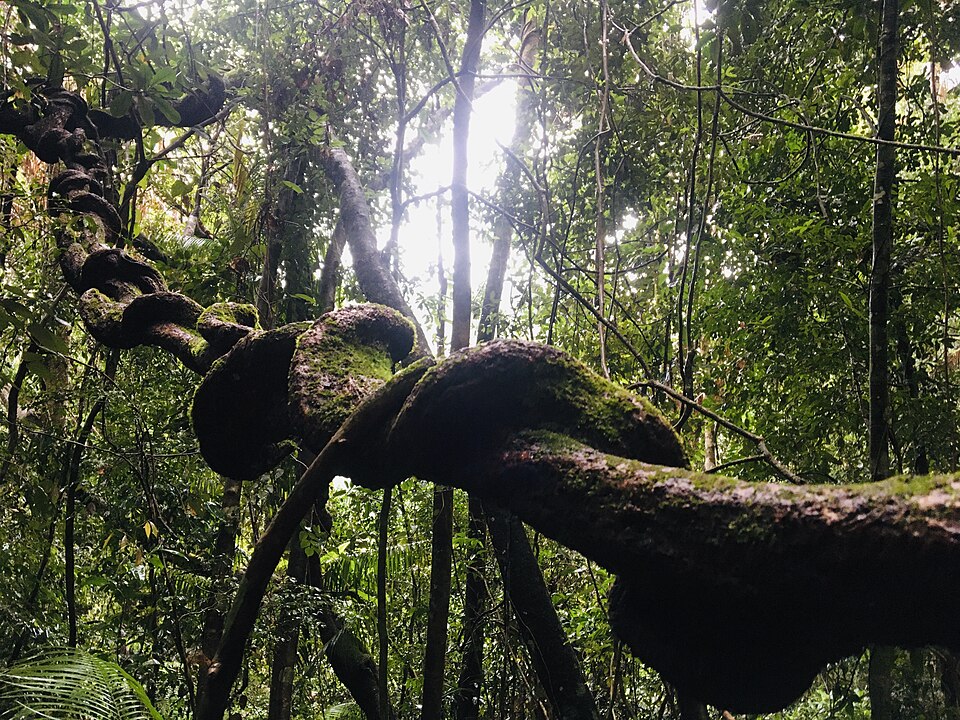
Sinharaja Forest Reserve is Sri Lanka’s last remaining stretch of primary tropical rainforest and stands as a globally significant biodiversity hotspot. The name “Sinharaja” translates to “Lion Kingdom” in Sinhala, drawing from ancient legends of a mythical lion dwelling within these mysterious forests.
Spanning approximately 11,187 hectares across the southwestern lowlands of Sri Lanka, this UNESCO World Heritage Site (designated in 1988) and Biosphere Reserve (established in 1978) represents one of Asia’s most densely vegetated rainforests. The forest was largely saved from commercial logging due to its remote, inaccessible location and challenging terrain—a fortunate circumstance that preserved its ecological integrity for future generations.
Sinharaja Forest Reserve Biodiversity – Discover Exceptional Endemic Species
The biodiversity within Sinharaja Forest Reserve is unparalleled, making it a living museum of evolution. Here’s what makes this rainforest extraordinary:
Endemic Birds in Sinharaja
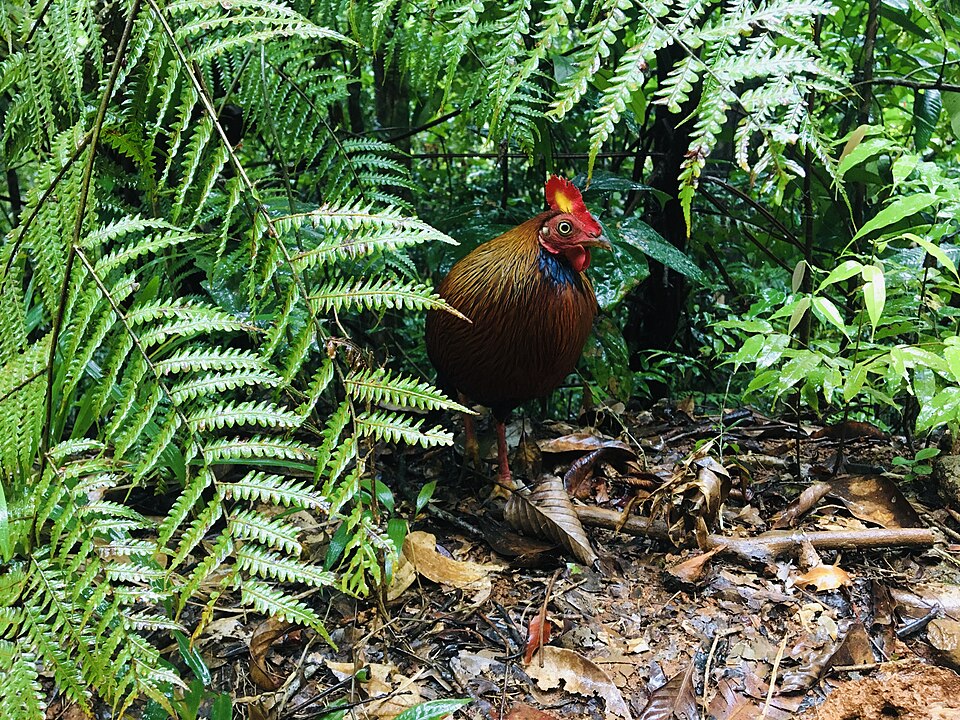
With over 95% of Sri Lanka’s endemic bird species present here, Sinharaja is a birder’s paradise. Notable species include:
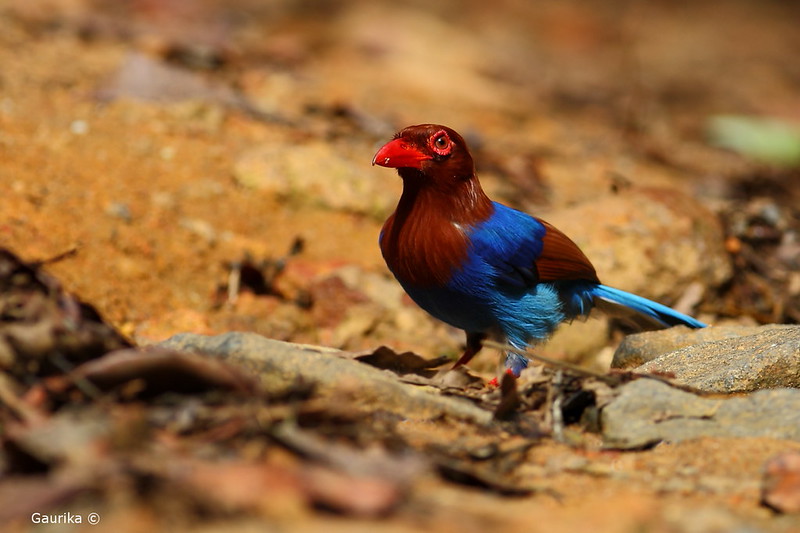
- Sri Lanka Blue Magpie
- Red-faced Malkoha
- Green-billed Coucal (Sri Lanka’s rarest bird)
- Ceylon Lorikeet
- Yellow-eared Bulbul
- Sri Lanka Grackle
- Ashy-headed Laughing Thrush
Mixed-species bird flocks numbering 30-50 birds create spectacular viewing opportunities, often led by the distinctive Orange-billed Babbler and Greater Racket-tailed Drongo.
Endemic Mammals and Wildlife
The reserve is home to remarkable mammals including:
- Purple-faced Langur (endemic monkey species)
- Giant Squirrel
- Sambar Deer
- Mouse Deer
- Barking Deer
- Sri Lankan Leopard (estimated 15 individuals)
- Brown Mongoose
- Golden Palm Civet
Flora: Ancient Plant Species
Over 60% of the forest’s 217 tree species are endemic to Sri Lanka, many considered rare or endangered. The canopy reaches heights of 35-50 meters, with the forest containing approximately 240,000 plants per hectare—the densest vegetation density in Asian rainforests. Endemic fern species and orchids add to the botanical richness.
Reptiles and Amphibians
The forest harbors diverse reptile and amphibian species, including endemic snakes like the Green Pit Viper and Hump-nosed Viper, various tree frogs, and the endemic Hard-shelled Terrapin.
Sinharaja Forest Reserve Entrances – Four Main Access Points Explained
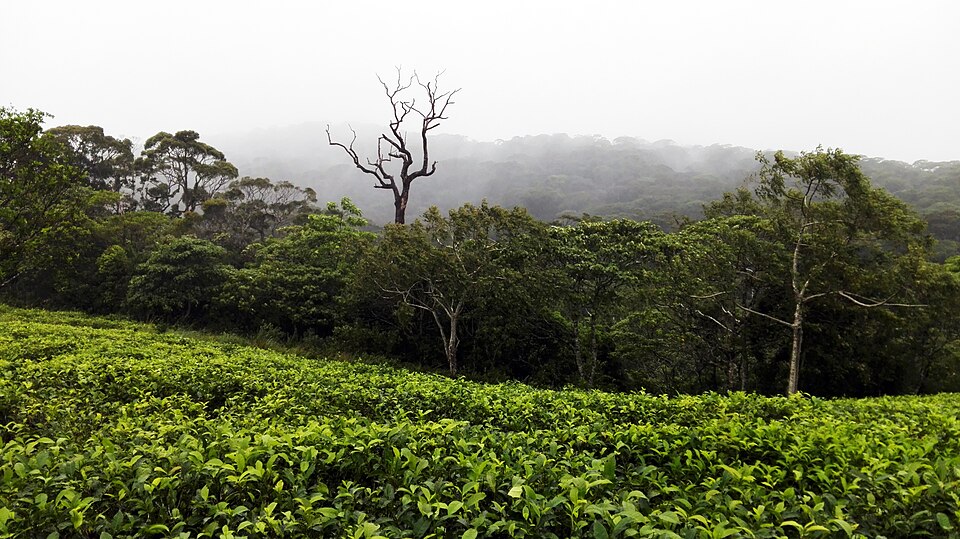
Understanding the different entrances to Sinharaja Forest Reserve helps you plan your visit effectively:
Kudawa Entrance (North)
The Kudawa Conservation Centre entrance offers excellent hiking trails and is closest to several accommodations. From here, you can access the Sinhagala Peak (8.5 km, 5-7 hours) and Moulawella Peak trails.
Pitadeniya/Deniyaya Entrance (South-East)
The Deniyaya entrance, also called Pitadeniya, is the most accessible for tourists with nearby homestays and eco-lodges. This entrance provides easier access to waterfall trails and is closer to southern coastal towns like Matara and Mirissa.
Rakwana Entrance (North-East)
Located in the northern portion, this entrance offers a less crowded experience with unique hiking opportunities.
Neluwa Entrance (South-West)
The southwestern entrance provides access to the scenic waterfall trails and diverse wildlife viewing areas.
Best Time to Visit Sinharaja Forest Reserve – Seasonal Guide for Trekkers
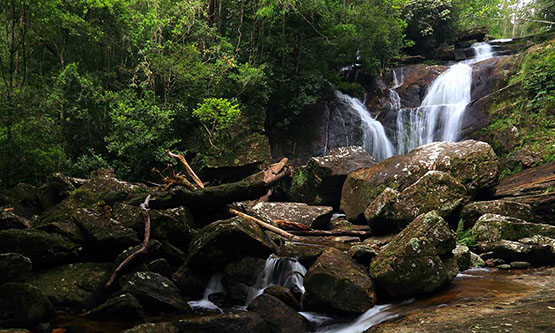
Timing your visit to Sinharaja Forest Reserve is crucial for an optimal experience:
Dry Season (Best for Trekking)
January to March and July to September offer the best trekking conditions with:
- Lower rainfall and more predictable weather
- Better visibility for wildlife spotting
- Less slippery trails and fewer leeches
- Clearer skies for photography
Monsoon Seasons to Avoid
- May to July (Southwest Monsoon) – Heavy rainfall
- November to January (Northeast Monsoon) – Challenging weather conditions
Note: Sinharaja receives 3,000-6,000mm of annual rainfall, so even during dry months, occasional rain is common. Pack waterproof gear regardless of season.
Sinharaja Forest Trekking Trails – Exploring Hiking Routes and Duration
Sinharaja Forest Reserve trekking offers multiple options for varying fitness levels:
Short Trails (2-3 hours)
Moulawella Peak Trail (2.4 km): An easy walk gaining 300m elevation, perfect for beginners. Stunning panoramic views await at 760m height.
Medium Trails (3-5 hours)
Wathurawa Trail (2.5 km): Scenic pathway through dense vegetation with excellent bird-watching opportunities.
Pathan Oya Ella Waterfall Trail (5 km): Leads to beautiful cascading waterfalls with swimming opportunities.
Full-Day Trails (5-7+ hours)
Sinhagala Peak Trail (8.5 km): The longest and most beautiful trail, reaching a 742m high peak with jaw-dropping 360-degree views. Takes 5-7 hours and is considered more extensive than other trails.
Kakuna Ella and Malmora Ella Trail (8 km): Combines multiple waterfall visits in one adventure-filled day.
Longest Adventure (20+ km one-way): The trail from Lankagama to Neluwa through the “Five Classic Waterfalls” – an epic full-day expedition featuring Brahmana Ella, Thatu Ella, Duwilli Ella, Ura Wetuna Ella, and Galdoruwa Ella.
How to Visit Sinharaja Forest Reserve – Practical Planning Tips
Licensed Guides (Mandatory)
All visitors must be accompanied by a licensed guide. You can:
- Hire a guide through your accommodation
- Arrange one at the entrance gate upon arrival
Guide Costs: Approximately 5,000-9,000 LKR per person for full-day treks (negotiable based on group size and duration).
Entrance Fees
- Foreign Adults: 1,240 LKR
- Foreign Children: 620 LKR
What to Pack for Sinharaja Rainforest Visit
- Leech socks (available at entrance, ~350 LKR)
- Waterproof jacket and bag
- Sturdy hiking boots with good grip
- Plenty of water (2-3 liters minimum)
- Light snacks and energy bars
- Hat and sunscreen
- Binoculars for bird watching
- Camera with zoom lens
- Insect repellent
- Salt (for leech emergency)
Accommodation Options Near Sinharaja
- Rainforest Ecolodge – Premium eco-lodge with on-site guides
- Martin’s Lodge – Historic property with excellent hospitality
- Rainforest Mount Lodge – Family-friendly with homemade meals
- Various homestays – Budget-friendly options around Deniyaya entrance
Sinharaja Rainforest Tour Packages – Experience Options Available
At Roxaval Travels, we offer comprehensive tour packages to Sinharaja Forest Reserve tailored to your interests:
Day Tour Packages
- Morning bird watching expedition (6:30 AM start)
- Wildlife spotting and photography tours
- Waterfall exploration and swimming
- Evening nature walks
Multi-Day Eco-Tourism Packages
- 2-3 day immersive rainforest experiences
- Combination with coastal towns (Mirissa, Matara)
- Cultural village exploration
- Wildlife photography expeditions
Specialized Tours
- Bird Watching Tours in Sinharaja – 95% of endemic birds await
- Butterfly and Dragonfly Watching – Hundreds of endemic species
- Reptile and Amphibian Tours – For herpetology enthusiasts
- Night Wildlife Tours (outside protected area) – Spot nocturnal creatures
- Photography Tours – Capture nature’s masterpiece
Why Book with Roxaval Travels?
- Expert local guides with 10+ years experience
- Customized itineraries for all fitness levels
- Small group sizes for intimate experiences
- Comfortable accommodations included
- All meals and transportation arranged
- Professional photography guidance
- Cultural immersion opportunities
Wildlife Safari in Sinharaja – Animals You Might Encounter
Sinharaja wildlife safari experiences are unique due to the dense forest canopy making mammal sightings rare but rewarding:
Large Mammals (Elusive but Present)
While leopards and elephants rarely appear, their presence adds to the forest’s mystique. Approximately 15 Sri Lankan Leopards inhabit the reserve, but sightings are uncommon.
Commonly Spotted Animals
- Monkeys (Purple-faced Langur and Toque Macaque)
- Deer species (Sambar, Mouse Deer, Barking Deer)
- Squirrels (Giant Squirrels are frequently seen)
- Frogs and tree frogs
- Countless bird species
- Butterflies and insects
- Snakes (usually spotted by experienced guides)
Pro Tip: Start your trek at 6:30 AM for the best wildlife viewing opportunities when animals are most active.
Sinharaja Forest Reserve UNESCO World Heritage Site – Conservation Importance
Sinharaja Forest Reserve’s designation as a UNESCO World Heritage Site (1988) recognizes its global significance:
Conservation Achievements
- Home to approximately 50% of Sri Lanka’s endemic species
- Over 60% of tree species are endemic
- Contains 830+ endemic fauna species
- Critical genetic repository for tropical rainforest evolution
- Supports important watershed functions (Gin Ganga and Kalu Ganga rivers)
Visitor Restrictions to Protect Ecosystem
- Limited daily visitors to maintain ecological integrity
- All visitors must use licensed guides
- No vehicles allowed inside reserve
- Photography guidelines for sensitive species
- Protected zones strictly off-limits
How to Reach Sinharaja Forest Reserve – Transportation Guide
From Colombo
Distance: 172 km via Southern Expressway
Travel Time: 3-4 hours
Transportation Options
- Private Vehicle – Most flexible option
- Bus from Colombo – To Matara, then local transport to entrance
- Train – Scenic route to Matara, then taxi/tuk-tuk to reserve
- Organized Tour Package – Pickup from your hotel (recommended)
Recommended Route via Roxaval Travels
- Hotel pickup in Colombo or southern coastal towns
- Scenic drive through Sri Lankan countryside
- Professional driver with local knowledge
- Drop at appropriate entrance based on your trail selection
- Guidance throughout your forest experience
Best Things to Do in Sinharaja Forest Reserve
Beyond trekking, enjoy these unforgettable activities:
Early Morning Bird Watching Expedition
Arrive at entrance by 6:00 AM to catch the symphony of endemic bird calls and spot colorful species in their most active period.
Waterfall Swimming and Relaxation
Cool off in natural pools beneath cascading waterfalls, a refreshing reward after forest exploration.
Night Wildlife Tours (Outside Protected Area)
Experience the forest’s nocturnal inhabitants including slender lorises, nocturnal geckos, and unique amphibians.
Guided Photography Tour
Capture stunning landscapes, endemic wildlife, and rainforest flora with expert photography guides positioning you for optimal shots.
Cultural Village Exploration
Visit local villages on the forest border to learn about traditional lifestyles and support local communities through homestays.
Botanical Education Walk
Learn about medicinal plants, edible fruits, and the forest’s traditional uses by local communities.
Sinharaja Rainforest Flora – Ancient Plants and Vegetation
The vegetation structure of Sinharaja rainforest is distinctive:
Canopy Layers
- Upper Canopy: 45-50m tall trees including rare Dipterocarpaceae species
- Mid-Story: 30m tall secondary trees
- Understory: Dense shrubs and herbs
- Ground Layer: 95% of vegetation density comprises plants below 1m
Endemic Plant Families
- Dipterocarpaceae: Show endemism rates exceeding 90%
- Ferns: 13 of 25 endemic Sri Lankan species found here
- Orchids: Vibrant colors add to the visual spectacle
- Mosses and Lichens: Abundant on trees and rocks
Genetic Potential
Scientists estimate the untapped genetic potential of Sinharaja flora for pharmaceutical and agricultural applications is enormous, making conservation critical for future discoveries.
Checklist for Your Sinharaja Forest Reserve Adventure
Before visiting Sinharaja Forest Reserve, ensure you have:
- ✅ Confirmed reservation with licensed guide or accommodation
- ✅ Packed all necessary gear (especially leech socks and waterproof jacket)
- ✅ Booked with Roxaval Travels for seamless tour package experience
- ✅ Informed guide of any physical limitations or special interests
- ✅ Prepared plenty of water and energy snacks
- ✅ Checked weather forecast and packed accordingly
- ✅ Brought sufficient cash (limited ATMs near reserve)
- ✅ Charged camera batteries and ensured storage space
- ✅ Applied for visa if needed
Book Your Sinharaja Forest Reserve Tour Package Today
Experience the magic of Sri Lanka’s most biodiverse ecosystem with Roxaval Travels. Our expertly curated tour packages to Sinharaja Forest Reserve include:
- Professional naturalist guides
- Comfortable eco-friendly accommodations
- All meals and refreshments
- Complete transportation
- Photography opportunities
- Wildlife spotting expertise
- Cultural immersion experiences
Visit: https://roxavaltravels.com/
Why Choose Roxaval Travels for Your Sinharaja Adventure?
- 15+ years experience with rainforest tourism
- Highest guide qualifications and certifications
- Personalized itineraries for every traveler
- Small group sizes ensuring quality experiences
- Commitment to sustainable and ethical tourism
- Excellent customer reviews and testimonials
- Competitive pricing with transparent costs
Conclusion: Your Ultimate Sinharaja Forest Reserve Experience Awaits
Sinharaja Forest Reserve represents one of Earth’s most precious ecosystems, housing unparalleled biodiversity found nowhere else on the planet. Whether you’re drawn by the calls of endemic birds, the mystery of ancient plants, or the thrill of spotting elusive wildlife, this UNESCO World Heritage Site delivers transformative experiences.
Let Roxaval Travels guide you through this rainforest wonderland, ensuring your adventure is comfortable, educational, and unforgettable. From the moment you enter through any of the four entrances to the moment you leave, you’ll understand why Sinharaja earned its legendary status as “Lion Kingdom.”
Book your tour package with Roxaval Travels today and discover why thousands of nature lovers choose Sinharaja as their must-visit rainforest destination.