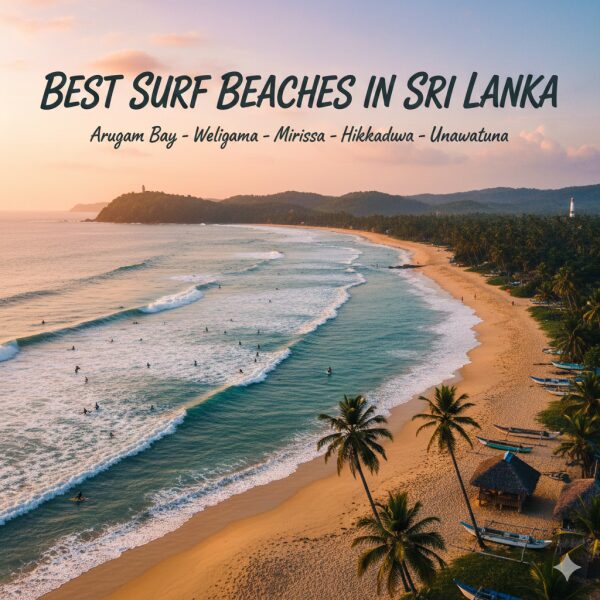
Sri Lanka has emerged as one of Asia’s premier surfing destinations, offering world-class waves, warm tropical waters, and budget-friendly surf experiences year-round. Whether you’re a beginner looking for gentle beach breaks or an advanced surfer chasing hollow barrels, this island paradise has something for everyone.
Why Sri Lanka is Perfect for Surfing Year-Round
Sri Lanka’s unique geographic position in the Indian Ocean creates ideal surfing conditions throughout the year. The island benefits from two monsoon seasons, meaning when one coast has onshore winds, the other coast enjoys clean offshore conditions. This makes Sri Lanka one of the few destinations where you can surf 365 days a year by simply switching coasts.
The warm water temperatures (averaging 27-29°C) mean you can surf comfortably in board shorts or a rashguard without ever needing a wetsuit. Combined with affordable accommodation, friendly locals, and stunning tropical scenery, Sri Lanka offers exceptional value compared to other surf destinations.
Best Time to Surf in Sri Lanka: Seasonal Guide
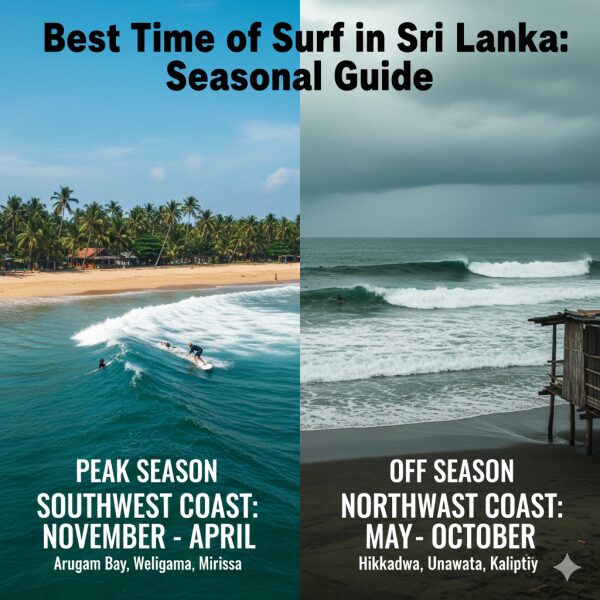
South and West Coast Surf Season (November to April)
The southwest monsoon brings offshore winds and clean waves to the south and west coasts from November through April. This is peak season for popular spots like Mirissa, Weligama, and Hikkaduwa. Expect consistent swells, sunny weather, and excellent conditions for all skill levels.
East Coast Surf Season (May to September)
When the southwest coast becomes choppy during the summer monsoon, the east coast comes alive with perfect waves. Arugam Bay transforms into a world-class surf destination during these months, attracting surfers from around the globe. The east coast offers warmer, less crowded conditions and a more laid-back vibe.
Top Surf Beaches in Sri Lanka for Beginners
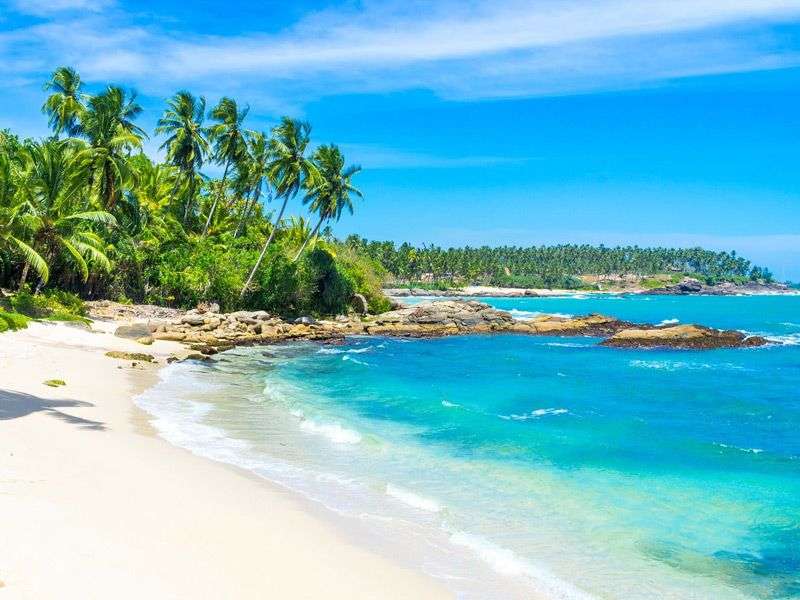
Weligama Beach: Best Beach for Learning to Surf
Weligama is widely regarded as the best beginner surf spot in Sri Lanka. The long, sandy beach offers gentle, rolling waves that are perfect for first-timers. The shallow sandy bottom provides a safe learning environment, and dozens of surf schools line the beach offering lessons and board rentals.
Why Weligama is ideal for beginners:
- Consistent small waves (1-3 feet)
- Sandy bottom with no rocks or reef
- Numerous surf schools with qualified instructors
- Affordable surf lessons starting from $15-20 USD
- Calm conditions during south coast season
Mirissa Beach: Beginner-Friendly Surf Spot
Just a short distance from Weligama, Mirissa offers slightly more challenging waves while still being accessible to beginners who have completed a few lessons. The right-hand point break at the western end provides longer rides, while the beach break in the center is perfect for practicing.
Hikkaduwa Beach: Popular Surf Town for All Levels
Hikkaduwa has been Sri Lanka’s original surf town since the 1970s. The main beach break offers various peaks suitable for beginners, while more experienced surfers can tackle the reef breaks at Benny’s and North Jetty. The town has excellent infrastructure with plenty of surf shops, cafes, and accommodation options.
Best Surf Spots in Sri Lanka for Intermediate Surfers
Unawatuna: Hidden Gem Near Galle
While known more as a swimming beach, Unawatuna offers quality waves during the right swell conditions. The protected bay creates consistent waves that are perfect for intermediate surfers looking to improve their technique without dealing with heavy crowds.
Midigama: Multiple Surf Breaks for Progressing Surfers
Midigama is a small village between Weligama and Mirissa that hosts several quality reef breaks. Lazy Left and Lazy Right are the most famous, offering long, mellow waves ideal for intermediate surfers. The area has a relaxed atmosphere and is less crowded than nearby spots.
Ahangama: Sri Lanka’s South Coast Surf Hub
Ahangama features numerous reef breaks scattered along the coastline, including the famous Kabalana Beach. The waves here range from easy to challenging, making it perfect for intermediate surfers looking to push their skills. The area has developed a thriving surf community with yoga studios, healthy cafes, and surf hostels.
Advanced Surf Spots in Sri Lanka: Where to Find the Best Waves
Arugam Bay: World-Class Right-Hand Point Break
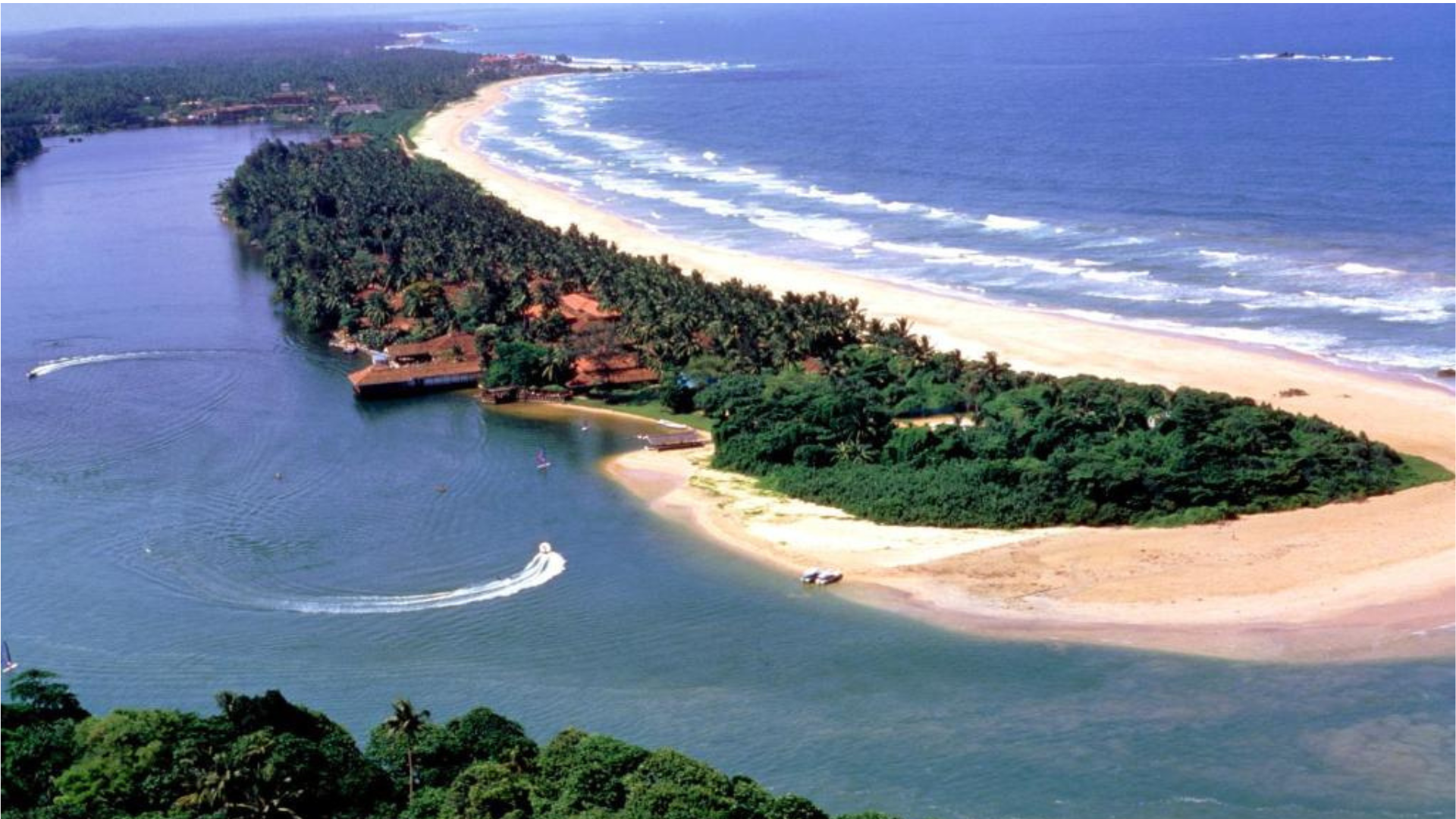
Arugam Bay is undoubtedly Sri Lanka’s most famous surf spot and is consistently ranked among the top surf destinations in Asia. The main point break offers a long, powerful right-hander that can hold swells up to 10 feet. The wave breaks over a mix of sand and rock, providing multiple sections including the Point, Main Point, and Baby Point for different skill levels.
Best time to surf Arugam Bay: May to September Wave type: Right-hand point break Skill level: Intermediate to advanced Average wave height: 3-8 feet
Okanda Point: Remote East Coast Surf Break
Located about 15 kilometers south of Arugam Bay within Kumana National Park, Okanda offers a challenging right-hand point break in a pristine, undeveloped setting. This spot is for experienced surfers only, as the wave is powerful, remote, and breaks over a shallow reef.
Pottuvil Point: Long Right-Hand Wave
Also known as Peanut Farm, Pottuvil Point delivers an exceptionally long right-hand wave that can offer rides of over 300 meters on a good day. The wave is fast and hollow in sections, requiring solid surfing skills and reef experience.
Hidden Surf Beaches in Sri Lanka Worth Exploring
Narigama Beach: Uncrowded Alternative to Hikkaduwa
Located just north of Hikkaduwa, Narigama offers similar wave conditions with a fraction of the crowds. The beach and reef breaks here provide excellent waves for intermediate surfers looking for a more peaceful session.
Polhena Beach: Protected Bay for Mellow Sessions
Polhena, near Matara, features a sheltered bay that creates gentle waves perfect for longboarders and those seeking a relaxed surf experience. The reef break on the southern edge offers more punch for experienced surfers.
Kudawella Beach: Off-the-Beaten-Path Surf Spot
This remote beach on the south coast sees very few surfers despite having quality waves. The powerful beach break is best suited for experienced surfers comfortable with bigger conditions.
Surf Camps and Surf Schools in Sri Lanka
Sri Lanka has excellent surf instruction infrastructure, particularly along the south coast. Most surf schools offer:
- Group surf lessons: $15-25 USD per session
- Private surf lessons: $30-50 USD per hour
- Multi-day surf packages: $100-200 USD for 5 days
- Surf and yoga retreats: $400-800 USD per week
- Board rentals: $5-10 USD per day
Popular surf schools include Weligama Surf School, Arugam Bay Surf School, and numerous independent instructors at each beach. Always check that instructors are qualified and that equipment is in good condition.
What to Know Before Surfing in Sri Lanka
Surf Safety Tips for Sri Lankan Waters
- Always check conditions with locals before paddling out
- Be aware of strong currents, especially during monsoon transitions
- Wear reef booties when surfing over coral or rock
- Apply reef-safe sunscreen to protect marine ecosystems
- Respect local surf etiquette and give right of way to locals
- Never surf alone at remote breaks
- Be cautious of sea urchins and sharp coral
Renting vs. Buying Surfboards in Sri Lanka
Most surfers find it convenient to rent boards locally rather than traveling with their own. Board rentals are widely available at all surf beaches for $5-10 USD per day. Quality varies, so inspect boards carefully before renting.
If staying long-term, consider buying a second-hand board from departing surfers or local surf shops. You can often resell it before leaving.
Getting to Surf Beaches in Sri Lanka
Transportation from Colombo Airport
Most south coast surf beaches are 2-4 hours from Bandaranaike International Airport (CMB). Options include:
- Private taxi: $60-100 USD, most convenient
- Shared shuttle: $20-30 USD, requires booking
- Train: Most scenic but takes 4-5 hours to Galle, then bus/tuk-tuk to beaches
- Bus: Cheapest option at $3-5 USD but takes 5-6 hours
Arugam Bay on the east coast requires a 7-8 hour journey and is best reached by private vehicle or domestic flight to nearby Batticaloa.
Getting Around Between Surf Spots
- Tuk-tuk: Best for short distances, negotiate prices beforehand ($2-10 USD)
- Scooter rental: $5-8 USD per day, requires international license
- Local buses: Very cheap ($0.50-2 USD) but crowded and slow
- Bicycle: Free if provided by accommodation, great for beach areas
Best Accommodations Near Sri Lanka Surf Beaches
Budget Surf Hostels ($10-25 USD per night)
The south coast has numerous backpacker-friendly surf hostels offering dorm beds and social atmospheres. Popular options include hostels in Weligama, Mirissa, and Hikkaduwa.
Mid-Range Surf Guesthouses ($30-60 USD per night)
Family-run guesthouses provide comfortable private rooms with air conditioning, often including breakfast and located steps from the beach.
Luxury Surf Resorts ($100-300 USD per night)
For those seeking premium comfort, boutique surf resorts offer pool facilities, spa services, gourmet dining, and direct beach access at locations like Ahangama and Arugam Bay.
Where to Surf in Sri Lanka for Different Experience Levels
Complete beginners: Weligama, Mirissa, Hikkaduwa beach breaks
Intermediate surfers: Midigama, Ahangama, Unawatuna, Arugam Bay (Baby Point)
Advanced surfers: Arugam Bay Main Point, Okanda, Pottuvil Point, outer reefs at Hikkaduwa
Longboarders: Polhena, Weligama, Mirissa, any mellow beach break
Surf Culture and Community in Sri Lanka
Sri Lanka’s surf scene has evolved significantly over the past decade. The south coast has developed a vibrant international surf community, with many surfers choosing to spend entire seasons or even relocate permanently. Arugam Bay, in particular, has become a hub for digital nomads and long-term surf travelers.
The local Sri Lankan surf community is growing rapidly, with more young people taking up the sport. Respect and friendliness go a long way when sharing waves with locals who have been surfing these breaks their entire lives.
Combining Surfing with Other Activities in Sri Lanka
Whale Watching and Surfing Trips
Mirissa is one of the best places in the world to see blue whales and spinner dolphins. Morning whale watching tours can be combined with afternoon surf sessions.
Visiting Cultural Sites Near Surf Areas
The historic Galle Fort is just 30 minutes from Hikkaduwa and makes for an excellent day trip. Ancient temples, tea plantations, and wildlife safaris are all accessible from south coast surf towns.
Yoga and Surf Retreats in Sri Lanka
Many surf areas, particularly Ahangama and Arugam Bay, offer combined surf and yoga programs. These retreats provide a holistic experience blending physical activity, relaxation, and wellness.
Frequently Asked Questions About Surfing in Sri Lanka
Is Sri Lanka good for beginner surfers?
Yes, Sri Lanka is excellent for beginners. Weligama Beach is specifically ideal for learning to surf, with gentle waves, sandy bottom, and numerous surf schools offering affordable lessons. The warm water and consistent conditions make it one of the best places in Asia to learn surfing.
What is the best month to surf in Sri Lanka?
The best month depends on which coast you’re surfing. For the south coast (Weligama, Mirissa, Hikkaduwa), November through March offers the most consistent conditions. For the east coast (Arugam Bay), July and August provide the best waves.
How much does it cost to surf in Sri Lanka?
Surfing in Sri Lanka is very affordable. Board rentals cost $5-10 USD per day, surf lessons range from $15-25 USD, and accommodation starts at $10 USD per night in hostels. A week-long surf trip can cost as little as $300-400 USD including accommodation, food, and board rental.
Do I need a wetsuit to surf in Sri Lanka?
No, you don’t need a wetsuit in Sri Lanka. The water temperature stays around 27-29°C (80-84°F) year-round. Most surfers wear board shorts or a rash guard for sun protection.
Can you surf in Arugam Bay year-round?
Arugam Bay is best surfed from April to October, with peak season being May through September. Outside these months, the waves become inconsistent and onshore winds make conditions poor. During this time, surfers should head to the south and west coasts instead.
Is it safe to surf in Sri Lanka?
Yes, surfing in Sri Lanka is generally safe when you follow basic precautions. The main risks are strong currents, shallow reefs, and sea urchins. Always surf at beaches with lifeguards or experienced surfers present, wear reef booties at reef breaks, and check conditions before paddling out.
What size surfboard should I rent in Sri Lanka?
Beginners should rent longboards (8-9 feet) for maximum stability and wave-catching ability. Intermediate surfers can use funboards (7-8 feet), while advanced surfers typically prefer shortboards (5’6″-6’6″). Rental shops can recommend appropriate sizes based on your skill level.
Are there surf competitions in Sri Lanka?
Yes, Sri Lanka hosts several surf competitions throughout the year, including events at Arugam Bay and various south coast locations. The Sri Lanka Surfing Federation organizes national championships, and international competitions occasionally take place at Arugam Bay.
What should I pack for a surf trip to Sri Lanka?
Essential items include reef booties, reef-safe sunscreen, rash guard or surf shirt, quick-dry clothing, basic first aid kit, waterproof phone case, and any specific surf accessories you prefer. Board shorts, towels, and sunglasses are must-haves. Most other items can be purchased locally.
How long should I stay in Sri Lanka to surf?
A minimum of one week is recommended to enjoy multiple surf spots and allow for rest days. Two weeks provides a better experience, allowing you to surf different breaks and explore the island. Many surfers stay for a month or longer, especially in Arugam Bay during peak season.