
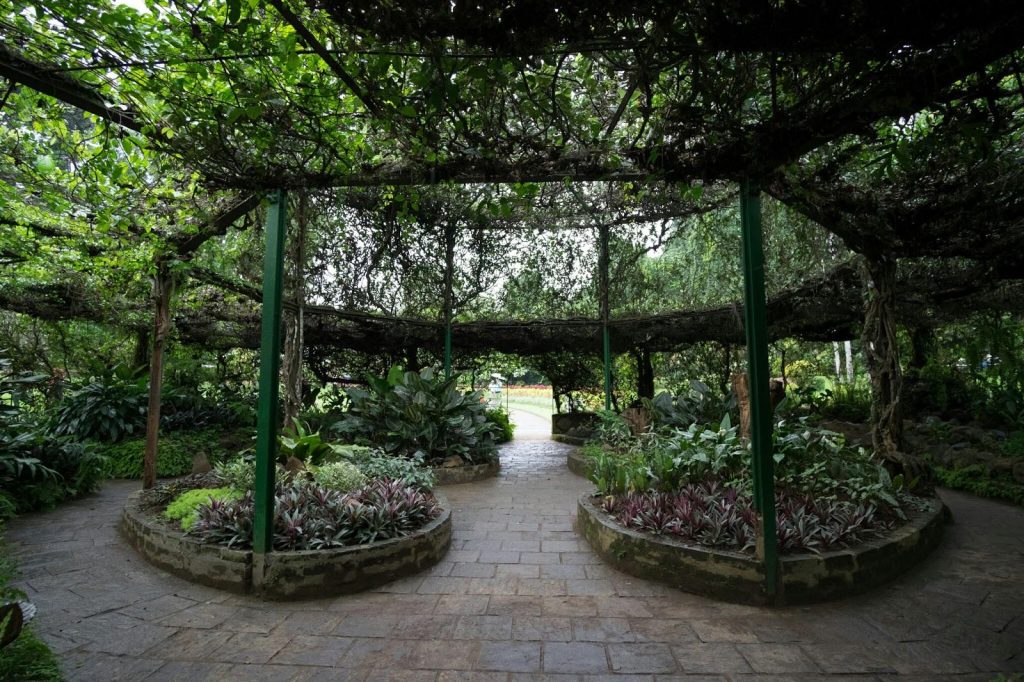
Exploring Spice Gardens offers one of the most enriching and sensory experiences a traveler can have. Far from just places to buy souvenirs, these aromatic havens are living museums of botanical history, traditional medicine, and culinary heritage. From the tropical humidity of South Asia to the Caribbean islands, spice gardens reveal the secrets behind the flavors that define global cuisine.
The Allure of Guided Spice Garden Tours
The best way to truly appreciate these gardens is through guided spice garden tours. These tours are typically led by knowledgeable local experts who bring the botanical wonders to life.
What You Will Discover
- Identification: Learn to identify plants in their raw form—not just the dried product. See how black pepper, green pepper, and white pepper all come from the same vine, or witness the delicate process of harvesting vanilla.
- Demonstrations: Many tours include demonstrations, such as the skillful peeling of cinnamon bark or the manual process of extracting essential oils.
- Sensory Engagement: You are encouraged to touch, smell, and sometimes even taste the raw ingredients, creating a memorable, multi-sensory experience that is far superior to reading about them.
What to Expect at a Spice Garden
A visit to a spice garden is a well-structured educational and commercial experience designed to inform and delight. Here is a breakdown of what to expect at a spice garden:
| Experience | Traveler Insight |
| The Walk-Through | A guided path winding through the cultivated plants, often labeled for easy identification. |
| Educational Session | A presentation or discussion focusing on the medicinal properties and traditional uses of the spices. |
| Product Sampling | Opportunities to try products made on-site, like herbal teas, massage balms, or cooking ingredients. |
| The Gift Shop | A dedicated area selling fresh spices, essential oils, natural remedies, and sometimes handmade crafts. Always check quality and local customs before purchasing. |
The Health and Culinary Benefits of Spices
For centuries, spices have been used not only for flavor but also for their potent therapeutic properties. Exploring spice gardens illuminates the profound health and culinary benefits of spices.
- Turmeric: Often hailed as a superfood, its active compound, curcumin, is known for its powerful anti-inflammatory and antioxidant effects.
- Cardamom: Essential in Middle Eastern and Indian cuisine, it aids digestion and may help lower blood pressure.
- Cloves: Widely used in traditional medicine for their antiseptic and pain-relieving properties, particularly in dentistry.
- Nutmeg and Mace: Both come from the same fruit and are popular for their warming qualities, adding depth to baking and savory dishes, and are often used for sleep aids in traditional practices.
Key Spice Garden Destinations Globally
While spice gardens can be found across many tropical regions, certain locations are world-renowned for their rich history and diverse cultivation, making them key spice garden destinations globally.
- Sri Lanka: Known as the “Spice Island,” it is particularly famous for its premium quality cinnamon, pepper, cardamom, and clove. Gardens here are known for their focus on Ayurveda (traditional holistic medicine).
- India (Kerala and Goa): The Malabar Coast of India has been a hub for the spice trade for millennia. Gardens are often nestled in lush hill stations, offering dense and varied plant life.
- Grenada: Known as the “Spice of the Caribbean,” this island is famous for its production of nutmeg and mace, which feature prominently in its local culture and cuisine.
- Zanzibar, Tanzania: These gardens offer a fascinating mix of spices introduced by Arabian and European traders, including clove, lemongrass, and ylang-ylang.
Planning Your Seamless Spice Garden Visit
To maximize your experience, effective planning is essential. Exploring spice gardens requires a few practical steps to ensure a comfortable and rewarding visit.
- Time of Day: Visit in the morning or late afternoon to avoid the midday heat, as most gardens are uncovered.
- Attire: Wear comfortable walking shoes, a hat, and light clothing. Sunscreen and insect repellent are highly recommended due to the tropical environment.
- Budgeting: Allocate funds for any purchases you wish to make in the garden shop. While many tours are free or low-cost, the primary goal of the garden is often product sales.
- Booking Your Trip: For a completely stress-free and well-curated journey that seamlessly incorporates spice garden visits alongside other cultural and natural attractions, consider arranging your travel through a leading travel service provider that specializes in unique destination experiences.
Frequently Asked Questions (FAQ)
Are the spices sold at the garden shops reliable?
In most cases, yes. Spices purchased directly from the garden are typically fresher and sourced ethically, as you are buying directly from the producer. However, always ensure the products are properly sealed for travel.
How long does a typical spice garden tour last?
Most tours take between 45 minutes to 1.5 hours, depending on the size of the garden and the depth of the presentation. Allow extra time for sampling and shopping.
Is there an entry fee to visit a spice garden?
This varies by location. Some gardens charge a small fee, while others offer the tour for free, relying instead on the revenue generated from shop purchases.
Are these gardens suitable for children?
Absolutely. Spice gardens are highly engaging for all ages, offering a fun, interactive, and educational way for children to learn where their food comes from.