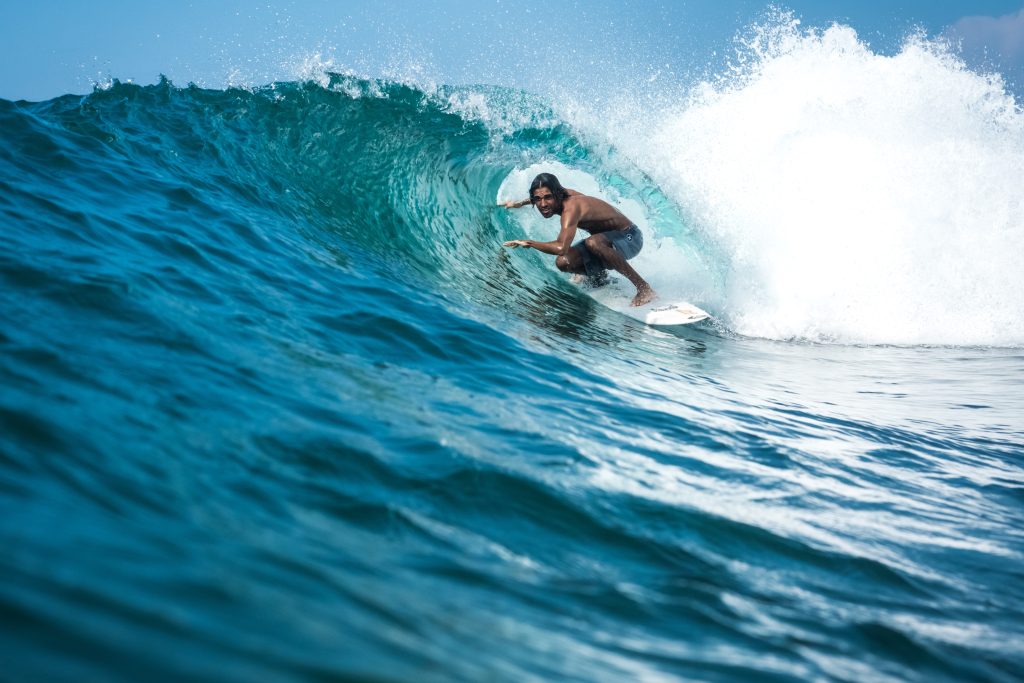
Sri Lanka has emerged as one of Asia’s premier surfing destinations, offering year-round waves, warm tropical waters, and a vibrant surf culture. Whether you’re a beginner looking for your first wave or an experienced surfer chasing barrel rides, this island nation delivers world-class surf experiences at affordable prices.
Best Surf Spots in Sri Lanka
Arugam Bay Surf Breaks
Arugam Bay stands as Sri Lanka’s most famous surf destination, often ranked among the top 10 surf spots globally. Located on the east coast, this laid-back village offers consistent right-hand point breaks that attract surfers from around the world. The main point delivers long, powerful waves perfect for intermediate to advanced surfers, while nearby spots like Whiskey Point and Pottuvil Point provide additional variety.
Hikkaduwa Surfing Conditions
Hikkaduwa, situated on the southwest coast, serves as an excellent spot for beginner surfers. The beach breaks here are forgiving and consistent, making it ideal for surf lessons. The waves typically range from 2-4 feet, creating perfect conditions for those learning to stand up on a board. Advanced surfers can find more challenging reef breaks just offshore.
Mirissa Surf Beach
Mirissa offers a more tranquil surfing experience compared to busier spots. This picturesque beach features gentle waves suitable for beginners and intermediate surfers. The consistent swells and beautiful surroundings make Mirissa perfect for combining surfing with whale watching and beach relaxation.
Weligama Bay for Beginners
Weligama Bay is arguably the best place in Sri Lanka for beginner surfers. The wide, sandy bay produces mellow waves that break gently, providing an ideal learning environment. Numerous surf schools line the beach, offering affordable lessons and board rentals. The shallow water and soft sandy bottom add an extra safety factor for first-timers.
Unawatuna Beach Waves
While smaller than other surf spots, Unawatuna offers fun waves for beginners and a beautiful setting. The protected bay provides consistent small swells, perfect for practicing basic techniques. The relaxed atmosphere and stunning scenery make it a favorite among travelers combining surfing with sightseeing.
Best Time to Surf Sri Lanka
Sri Lanka Surf Season Calendar
Sri Lanka’s unique geography allows for year-round surfing, with different coasts offering optimal conditions during different seasons:
Southwest Coast Season (November to April): Spots like Hikkaduwa, Weligama, Mirissa, and Unawatuna experience their best surf conditions during these months. The waves are clean, consistent, and range from beginner-friendly to challenging intermediate breaks.
East Coast Season (April to October): Arugam Bay and surrounding breaks come alive during this period. May to September delivers the most consistent swells, with perfect offshore winds creating ideal surfing conditions.
Monsoon Surfing in Sri Lanka
Understanding the monsoon patterns is crucial for planning your surf trip. The southwest monsoon (May to September) brings rough conditions to the west coast but creates perfect waves on the east coast. Conversely, the northeast monsoon (November to March) delivers excellent surf to the southwest while the east coast experiences choppier conditions.
Sri Lanka Surf Camps and Schools
Beginner Surf Lessons Sri Lanka
Numerous professional surf schools operate throughout Sri Lanka, offering comprehensive beginner programs. Most lessons include board rental, instruction from certified coaches, and basic ocean safety training. Prices are incredibly affordable compared to Western countries, typically ranging from $25-40 per lesson.
Surf Camp Packages
All-inclusive surf camps provide accommodation, meals, daily surf lessons, and yoga sessions. Popular locations include Weligama, Arugam Bay, and Hikkaduwa. These packages offer excellent value, with weekly rates starting around $400-600, covering everything you need for an immersive surf experience.
Private Surf Coaching
For faster progression, private surf coaching is available at most major surf spots. One-on-one instruction allows for personalized feedback and rapid skill development. Advanced surfers can also hire local guides to discover secret spots and navigate reef breaks safely.
Sri Lanka Surfboard Rental Options
Surfboard rentals are widely available and affordable throughout Sri Lanka. Standard rates range from $5-10 per day for soft-top boards (ideal for beginners) to $10-15 for fiberglass shortboards and longboards. Many accommodations offer complimentary board storage, and some even provide free board use for guests.
Surfing Costs and Budget in Sri Lanka
Affordable Surf Destination
Sri Lanka ranks among the world’s most budget-friendly surf destinations. Daily expenses including accommodation, food, board rental, and transportation can be managed on $30-50 per day for budget travelers, while mid-range surfers might spend $75-150 daily for more comfort.
Surf Trip Budget Breakdown
- Accommodation: $10-100+ per night depending on comfort level
- Board Rental: $5-15 per day
- Surf Lessons: $25-40 per session
- Meals: $3-15 per meal
- Transportation: $5-30 depending on distance
East Coast vs West Coast Surfing
Comparing Sri Lanka’s Surf Coasts
East Coast Advantages:
- Longer, more powerful waves
- Consistent point breaks
- Less crowded (except peak Arugam Bay season)
- Better for intermediate to advanced surfers
West Coast Advantages:
- More beginner-friendly waves
- Better infrastructure and accessibility
- More accommodation options
- Easier to combine with cultural attractions
Sri Lanka Surf Travel Tips
Getting to Surf Spots
Most international travelers arrive at Colombo’s Bandaranaike International Airport. From there:
- Southwest Coast: 2-3 hours by car or bus
- Arugam Bay: 7-8 hours by car or overnight bus
- Private transfers: Recommended for convenience with surfboards
Essential Surf Gear to Pack
- Reef booties (essential for reef breaks)
- Strong reef-safe sunscreen
- Rash guard for sun protection
- Surf wax suitable for warm water
- Basic first aid kit
- Waterproof phone case
Surf Safety and Etiquette
Respect local surf etiquette, including right-of-way rules and lineup positioning. Be aware of reef cuts, strong currents, and marine life. Always surf within your ability level and consider hiring a local guide for unfamiliar reef breaks.
Combining Surfing with Sri Lanka Tourism
Cultural Sites Near Surf Spots
Sri Lanka offers incredible cultural attractions within easy reach of major surf destinations:
- Galle Fort near Hikkaduwa and Weligama
- Ancient temples throughout the island
- Safari tours in Yala National Park (near Arugam Bay)
- Tea plantations in the hill country
Whale Watching and Surfing
Mirissa serves as the whale watching capital of Sri Lanka, allowing surfers to catch morning waves and afternoon whale tours. Blue whales, sperm whales, and dolphins frequent these waters from November to April.
Best Surf Hostels and Resorts in Sri Lanka
Budget Surf Accommodation
Hostels and guesthouses catering to surfers offer dorm beds from $8-15 and private rooms from $20-40. Most feature communal areas, board storage, and information about local breaks. Popular choices include Mama’s Galle Fort, Chill Surf Hostel Weligama, and various Arugam Bay guesthouses.
Luxury Surf Resorts
For those seeking premium experiences, boutique surf resorts provide beachfront villas, private surf coaching, spa services, and gourmet dining. Options like Cape Weligama, Anantara Peace Haven, and various Arugam Bay luxury properties deliver five-star comfort alongside world-class waves.
Advanced Surf Breaks Sri Lanka
Challenging Reef Breaks
Experienced surfers seeking powerful waves should explore:
- Main Point, Arugam Bay: Long, hollow right-hander
- Okanda: Remote, powerful reef break
- Midigama: Multiple reef breaks for advanced surfers
- Lazy Left/Right, Arugam Bay: Long rides with barrel sections
Secret Surf Spots
Beyond the famous breaks lie numerous undiscovered gems. Hiring local guides provides access to less crowded spots while supporting the local surf community. The south coast between Weligama and Tangalle hides several quality reef breaks accessible only by boat or through local knowledge.
Surf Photography in Sri Lanka
The stunning tropical backdrop makes Sri Lanka ideal for surf photography. Many surf spots have resident photographers offering professional shot packages. Golden hour sessions at Arugam Bay’s main point or Weligama’s bay create Instagram-worthy moments that capture both the waves and paradise setting.
Frequently Asked Questions About Surfing in Sri Lanka
Is Sri Lanka good for surfing?
Yes, Sri Lanka is an excellent surfing destination offering world-class waves, warm tropical waters, and year-round surf conditions. The island features diverse breaks suitable for all skill levels, from beginner-friendly beach breaks to powerful reef breaks for advanced surfers. Combined with affordable prices, stunning scenery, and rich culture, Sri Lanka ranks among the top surf destinations in Asia.
When is the best time to go surfing in Sri Lanka?
The best time depends on which coast you’re visiting. For the southwest coast (Hikkaduwa, Weligama, Mirissa), November to April offers optimal conditions. For the east coast (Arugam Bay), April to October provides the best waves, with May to September being peak season. This means Sri Lanka offers excellent surfing opportunities year-round by switching between coasts.
Can beginners learn to surf in Sri Lanka?
Absolutely! Sri Lanka is ideal for beginner surfers, particularly spots like Weligama Bay and Hikkaduwa. These locations offer gentle waves, sandy bottoms, numerous surf schools, and affordable lessons starting around $25-40. The warm water, patient instructors, and consistent small swells create perfect learning conditions for first-time surfers.
How much does surfing cost in Sri Lanka?
Surfing in Sri Lanka is very affordable. Surfboard rentals cost $5-15 per day, surf lessons range from $25-40 per session, and week-long surf camp packages start around $400-600 including accommodation and meals. Overall daily expenses can range from $30-50 for budget travelers to $75-150 for mid-range comfort.
Do I need to bring my own surfboard to Sri Lanka?
No, bringing your own board is not necessary. Quality surfboard rentals are widely available at all major surf spots, with options ranging from soft-top beginner boards to performance shortboards and longboards. However, if you have specific board preferences or are planning an extended trip, bringing your own board might be worthwhile.
What is the water temperature in Sri Lanka for surfing?
Sri Lanka’s water temperature remains consistently warm year-round, ranging from 27-29°C (80-84°F). You won’t need a wetsuit—most surfers wear boardshorts or a bikini, though a rash guard is recommended for sun protection during long surf sessions.
Is Arugam Bay better than Weligama for surfing?
It depends on your skill level and preferences. Arugam Bay offers more powerful, longer waves suited for intermediate to advanced surfers and is considered world-class for experienced riders. Weligama provides gentler, more forgiving waves perfect for beginners and learning. Both locations have their unique charm and cater to different surfing abilities.
Are there surf camps in Sri Lanka?
Yes, Sri Lanka has numerous surf camps offering all-inclusive packages throughout the island. These camps typically include accommodation, daily surf lessons, board rentals, meals, and often yoga sessions. Popular locations include Weligama, Arugam Bay, Hikkaduwa, and Mirissa, with weekly packages starting from $400-600.
What should I pack for a surf trip to Sri Lanka?
Essential items include reef booties (crucial for reef breaks), reef-safe sunscreen (SPF 50+), rash guards, surf wax for warm water, a basic first aid kit for reef cuts, waterproof phone case, light clothing, and any personal medications. Most other surf equipment can be rented locally.
Is it safe to surf in Sri Lanka?
Surfing in Sri Lanka is generally safe when proper precautions are taken. Stay aware of reef breaks (wear booties), respect your skill level, surf with others when possible, and consider hiring local guides for unfamiliar spots. Basic ocean awareness and following surf etiquette will ensure a safe experience. Most popular spots have lifeguards or local surfers nearby.
Can you surf year-round in Sri Lanka?
Yes! Sri Lanka’s unique geography and monsoon patterns enable year-round surfing. When the southwest coast experiences monsoon conditions (May-September), the east coast delivers perfect waves. Conversely, when the east coast is rough (November-March), the southwest coast offers excellent conditions. This makes Sri Lanka a reliable destination regardless of when you visit.
How do I get from Colombo airport to surf spots?
From Colombo’s airport, southwest coast spots like Hikkaduwa and Weligama are 2-3 hours away by private transfer, taxi, or bus. Arugam Bay on the east coast takes 7-8 hours by car or overnight bus. Private transfers ($60-150) are most convenient with surfboards, while public buses ($5-15) offer budget-friendly alternatives.
Are there sharks in Sri Lanka surf spots?
While sharks exist in Sri Lankan waters, attacks are extremely rare. The most common species are generally non-aggressive. Thousands of surfers enjoy Sri Lankan waves annually without incident. Following basic ocean safety avoiding dawn/dusk sessions, not surfing with open wounds, and staying in groups minimizes any already minimal risk.
Conclusion: Your Sri Lankan Surf Adventure Awaits
Sri Lanka delivers an unbeatable combination of world-class waves, tropical beauty, rich culture, and affordability. Whether you’re taking your first surf lesson in Weligama’s gentle waves, charging the powerful barrels at Arugam Bay, or exploring hidden gems along the coast, this island paradise offers unforgettable surf experiences for every level. Start planning your Sri Lankan surf adventure today and discover why this destination has become a must-visit for surfers worldwide.