
Sigiriya – Eighth Wonder of the World
Welcome to Sigiriya, Sri Lanka, home to the magnificent Lion Rock Fortress, a UNESCO World Heritage site and one of the country’s most iconic attractions. Known as the “Eighth Wonder of the World,” this ancient rock citadel is a must-visit for any traveler seeking a blend of rich history, artistic genius, and breathtaking natural views.
Our comprehensive guide is designed to provide you with all the essential information for an unforgettable journey to this central jewel of Sri Lanka’s Cultural Triangle.
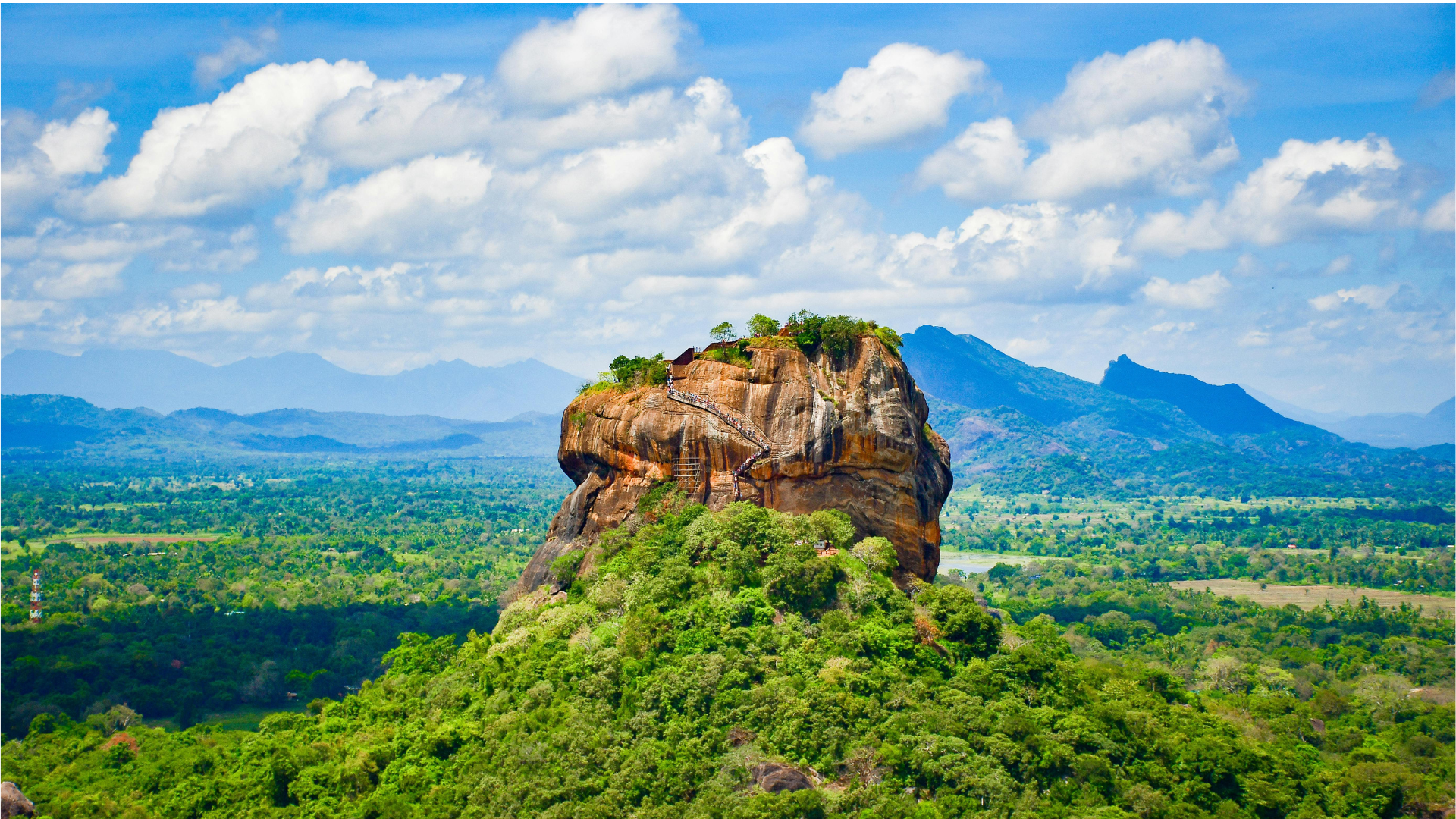
Sigiriya Rock Fortress: History, Architecture, and The Climb
The main attraction is, without a doubt, the colossal rock itself. The name “Sigiriya” is derived from Sihagiri, meaning Lion Rock.
Brief History of Sigiriya
- King Kashyapa’s Capital: The site’s greatest transformation occurred in the 5th century CE when King Kashyapa I chose this secure, naturally fortified rock to build his new capital and royal palace (477–495 CE).
- The Lion Gate: About halfway up, you’ll find the colossal Lion’s Paw gateway, which once led to the palace on the summit. The original structure featured a huge brick and plaster lion, whose mouth served as the entrance.
- A Monastic Retreat: After King Kashyapa’s death, Sigiriya reverted to being a Buddhist monastery complex, which it remained until the 14th century.
The Ascent and Key Attractions
The climb involves approximately 1,200 steps to reach the summit palace ruins, typically taking 1.5 to 2 hours round-trip. Key sights you will pass are:
- Water Gardens: Among the oldest landscaped gardens in the world, showcasing ancient hydraulic engineering with sophisticated ponds and fountains (some still function after heavy rain!).
- Boulder and Terrace Gardens: Areas built into the natural landscape at the base of the rock.
- The Sigiriya Frescoes: A set of vibrant, non-religious paintings of celestial maidens. Only a small fraction of the original paintings remains, protected in a sheltered pocket. Photography is strictly prohibited here.
- The Mirror Wall: A wall polished so smooth that the king could once see his reflection. It is famous for ancient graffiti (Sigiri Graffiti) left by visitors as far back as the 8th century.
- The Summit: The flat top of the rock holds the impressive ruins of King Kashyapa’s final palace, offering 360-degree panoramic views of the surrounding jungle.
Visiting Hours and Ticket Prices
| Attraction | Opening Hours | Foreign Tourist Ticket Price (approx.) |
| Sigiriya Lion Rock | Generally 5:00 AM – 6:30 PM (Last ticket sale around 5:00 PM) | US$35 (Includes access to the museum) |
Pro Tip: Start your climb early in the morning (by 7:00 AM) to avoid the midday heat and the largest crowds.
Pidurangala Rock: The Best View of Lion Rock
For one of the most iconic and rewarding views in all of Sri Lanka, a hike up Pidurangala Rock is highly recommended.
- The View: Pidurangala sits adjacent to Sigiriya, providing a stunning, uninterrupted vista of the entire Lion Rock Fortress rising majestically from the plain—the ultimate photo opportunity, especially at sunrise or sunset.
- The Hike: It’s a moderate trek, taking about 30-45 minutes to reach the top. The final section requires some light bouldering and scrambling, so wear sturdy footwear.
- Religious Significance: The base contains the Pidurangala Sigiri Rajamaha Viharaya temple, and near the summit, you will pass the impressive remains of a large reclining Buddha statue.
- Price and Timing: The entrance fee is significantly lower (around LKR 1000, or approx. US$3-4). Climbing for sunrise is a traveler favourite, but be sure to bring a flashlight.
What to See in Sigiriya: Beyond the Rock
Sigiriya is a fantastic hub for exploring the wider Cultural Triangle and experiencing local life.
- Dambulla Cave Temple and Golden Temple: Located a short distance away, this UNESCO site features five caves filled with over 150 stunning Buddha statues and rock paintings. The Golden Temple complex at the base, with its giant Golden Buddha statue, is also worth a visit.
- Minneriya / Kaudulla National Park Safaris: From July to October, thousands of elephants gather in the Minneriya National Park for the famous “Gathering”—one of Asia’s great wildlife spectacles. Kaudulla National Park is another excellent option for spotting wild elephants, especially outside the Minneriya “Gathering” season.
- Local Village Tours: Experience authentic rural life with a traditional village tour. This often includes a bullock cart ride, a catamaran (local boat) trip on a lake, a cooking demonstration, and a delicious, authentic Sri Lankan meal served in a local home.
- Sigiriya Archaeological Museum: Use your Sigiriya entrance ticket to visit this modern museum at the base of the rock to gain a deeper understanding of the fortress’s history, architecture, and the meaning behind the frescoes.
Sigiriya Travel Information: How to Get There
Getting to Sigiriya from Colombo
| Mode of Transport | Duration (Approx.) | Notes |
| Private Taxi/Car | 3-4 hours | Fastest and most comfortable. Ideal for door-to-door service. |
| Bus (Cheapest) | 4-5 hours | Take a bus from Colombo to Dambulla or Habarana, then a local bus or tuk-tuk to Sigiriya. |
| Train | 5-6 hours | Train to Habarana (closest station), followed by a short tuk-tuk ride to Sigiriya. A scenic but often slower option. |
| Domestic Flight | 30 minutes (flight time) | Cinnamon Air operates daily flights from Colombo’s domestic terminal to the Sigiriya airstrip (most expensive option). |
Best Time to Visit Sigiriya, Sri Lanka
Sigiriya is a year-round destination, but weather and crowds vary:
- Dry Season (High Season): December to April. This period offers the most reliable dry, sunny weather, which is perfect for climbing the rock and sightseeing. Expect higher prices and more crowds.
- Shoulder Season: July to September. A great balance with fewer crowds, occasional rain showers, and good value. This time also coincides with the famous elephant “Gathering” at Minneriya.
- Rainy Season (Low Season): May, June, October, and November. Expect heavier, more frequent rainfall. Steps may be slippery, but landscapes are lush, and hotel prices are often lower.
Climbing Tip: Regardless of the season, aim to climb Sigiriya Rock or Pidurangala Rock for either sunrise (early start) or late afternoon (after 3:30 PM) to avoid the scorching midday sun.
Sigiriya FAQ (Frequently Asked Questions)
Is climbing Sigiriya Rock difficult?
The climb is considered moderate. It involves about 1,200 steps and several steep sections with railings. It can be challenging due to the heat and humidity, which is why an early morning start is essential. It is generally not recommended for those with severe vertigo or serious heart/mobility issues.
Is Pidurangala Rock a better alternative to Sigiriya Rock?
Pidurangala offers a less crowded, cheaper, and arguably better photographic view of the actual Sigiriya Lion Rock. Sigiriya, however, is the main historical site, with the Water Gardens, frescoes, and the palace ruins on top. We recommend climbing both if your time allows!
What should I wear for the climb?
Wear light, breathable clothing, comfortable walking or hiking shoes, a hat, and sunscreen. You will need to cover your knees and shoulders to respect the temple at the start of the Pidurangala climb, or the Dambulla Cave Temple.
Are there any dangers to be aware of?
There are often warning signs about wasps on the Sigiriya Rock climb. Follow all directions from the local guides and authorities, especially if a wasp alert is raised. Monkeys are also present, so secure your food and belongings.