
Pinnawala Sri Lanka
The name Pinnawala Sri Lanka is world-renowned for one reason: its extraordinary elephant orphanage. Located amidst the lush greenery of the Kegalle District, this destination is a pilgrimage site for wildlife lovers and a key highlight on any Sri Lanka itinerary.
This SEO-optimized guide provides you with essential information, including history, daily schedules, travel tips, and important ethical considerations, ensuring your visit to the Pinnawala Elephant Orphanage is as rewarding and responsible as possible.
History of the Pinnawala Sri Lanka Elephant Orphanage: A Conservation Legacy
The Pinnawala Elephant Orphanage was not originally conceived as a tourist attraction, but as a vital refuge. It was established in 1975 by the Sri Lanka Department of Wildlife Conservation (DWC) on a 25-acre coconut plantation adjoining the Maha Oya River.
Its noble purpose was to provide care and protection for orphaned baby elephants, injured adults, or those displaced from their herds due to human-elephant conflict or natural disasters. The facility began with just a few abandoned calves and has since grown to become one of the world’s largest captive elephant herds.
Since 1978, the orphanage has been managed by the Department of National Zoological Gardens. In 1982, it launched a successful captive breeding program, resulting in dozens of elephant births, further cementing its role in the conservation of the endangered Asian elephant species in Sri Lanka.
Key Pinnawala Attractions: The Unmissable Daily Schedule
The daily routine of the elephants is strictly followed and perfectly timed to offer visitors an unparalleled opportunity to witness these majestic creatures up close. To maximize your experience, plan your visit around these core events.
The Iconic River Bathing at Maha Oya
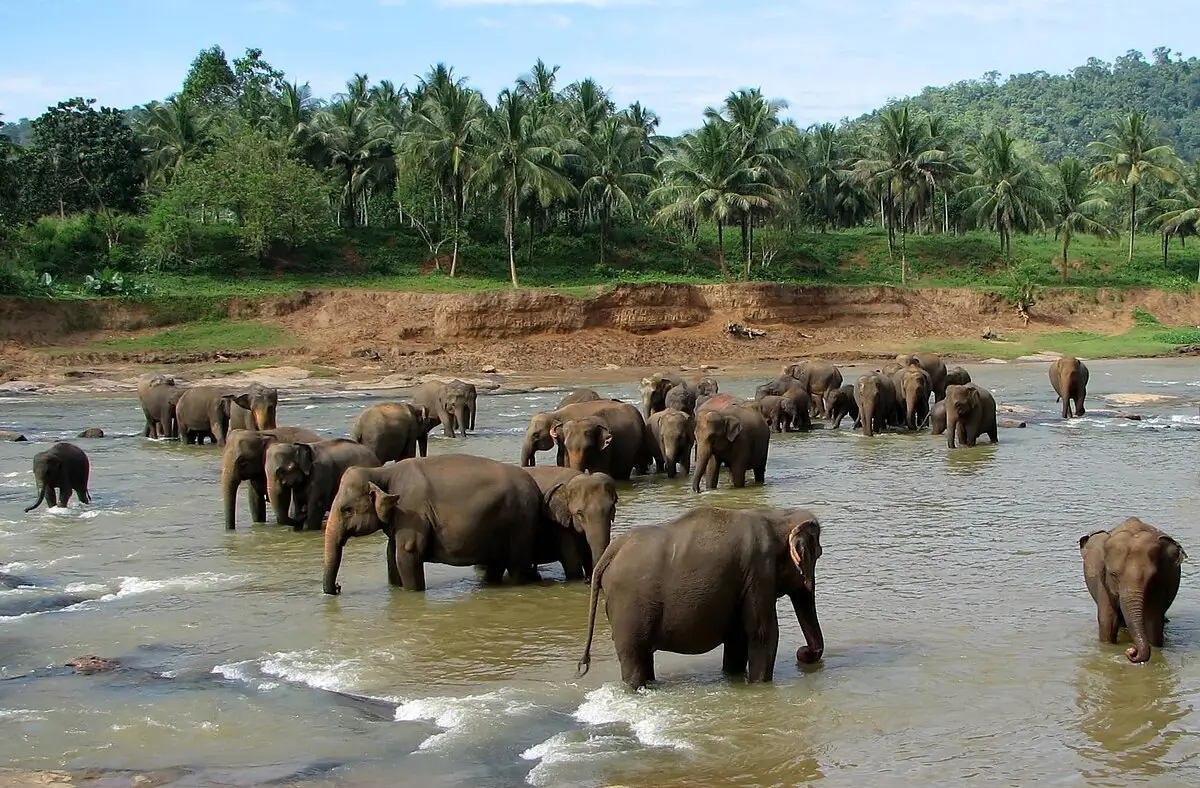
Twice a day, the herd is escorted through the narrow main street of Pinnawala village down to the wide, shallow waters of the Maha Oya River for their bath. This is arguably the most spectacular and photogenic moment of the day, as the elephants frolic, play, and interact freely in the refreshing current.
- Morning Bathing Time: 10:00 AM – 12:00 PM
- Afternoon Bathing Time: 2:00 PM – 4:00 PM
Observing the Bottle Feeding
The feeding of the baby elephants is a heartwarming experience. Calves that are too young to feed themselves or have lost their mothers are given large bottles of milk by their caretakers.
- Morning Feeding Time: 9:15 AM
- Afternoon Feeding Times: 1:15 PM & 5:00 PM
Planning Your Visit: Tickets, Timings, and Travel Guide
A trip to Pinnawala is highly manageable, often planned as a day excursion from Colombo or Kandy.
Pinnawala Elephant Orphanage Visiting Hours
The orphanage is open to the public daily from 8:30 AM to 6:00 PM. The ticket counter usually closes at 5:30 PM. We strongly recommend arriving by 9:00 AM to catch the first feeding and the morning river bath.
Getting to Pinnawala: Sri Lanka Travel
The orphanage is located approximately 90 km from Colombo and about 40 km from Kandy.
- From Colombo to Pinnawala: A private taxi or hired car is the fastest and most comfortable option (2.5 – 3 hours). You can also take a train from Colombo to Rambukkana Railway Station, which is just 2 km from the site, followed by a short tuk-tuk ride.
- From Kandy to Pinnawala: The journey takes about 1.5 hours by car and is an easy addition to any cultural triangle tour.
Ethical Tourism at Pinnawala: Balancing Conservation and Tourist Interaction
The Pinnawala Elephant Orphanage serves a critical role in conservation, but its methods have also been subject to scrutiny by animal welfare groups. Visitors should be aware of the following to make an informed, ethical decision:
- The Controversy: Some practices, such as the use of chains on certain male elephants (particularly during periods of Musth) and the use of the traditional ankus (bullhook) for management, have drawn criticism. Critics argue that the breeding program and the close interaction for tourist photos prioritise profit over animal welfare.
- Responsible Action: The most ethical approach is to minimize direct interaction. Avoid paying for photo opportunities that involve touching or riding the elephants. By choosing to simply observe the animals from a respectful distance during the feeding and bathing times, you support the conservation aspect without contributing to potentially stressful interactions.
- Alternatives: If you prefer a strictly observational sanctuary where animals are prepared for release back into the wild, consider visiting the Udawalawe Elephant Transit Home (ETH), which offers a different model of elephant rehabilitation.
Pinnawala Elephant Orphanage: Frequently Asked Questions (FAQ)
Q1: What is the current Pinnawala Elephant Orphanage Entrance Fee (2025)?
Entrance fees vary based on nationality. Prices are approximate and subject to change based on government revisions and exchange rates.
| Visitor Category | Approximate Adult Fee (12+ years) | Approximate Child Fee (3-12 years) |
| Non-SAARC Foreign National | USD 16 | USD 8 |
| SAARC National | USD 11 (or LKR 1,400) | USD 6 (or LKR 700) |
| Sri Lankan Local | LKR 295 | LKR 120 |
Note: Infants (under 3 years) typically enter free of charge. Combo tickets with the Pinnawala Open Zoo are also available.
Q2: Can I ride or touch the elephants at Pinnawala?
While some vendors may offer close-contact experiences, elephant riding is widely discouraged by animal welfare groups and is generally not permitted inside the main orphanage grounds. You can pay a small fee to participate in the bottle-feeding of calves at designated times.
Q3: What other attractions are near Pinnawala?
The Pinnawala Open Zoo is located adjacent to the orphanage. Additionally, the area is close to the famous “Three Temple Loop” (Gadaladeniya, Lankatilaka, and Embekke Devale) and the beautiful Royal Botanical Gardens, Peradeniya, near Kandy.
Q4: Is Pinnawala open year-round?
Yes, the Pinnawala Elephant Orphanage is open 365 days a year, including public and religious (Poya) holidays.
Q5: Where do the elephants bathe?
The elephants are led twice daily to the Maha Oya River, which flows adjacent to the orphanage premises. This is the most popular time to visit.