Skip to content
Negombo Sri Lanka
Welcome to Negombo Sri Lanka, often affectionately dubbed “Little Rome” due to its rich Christian heritage and stunning collection of centuries-old churches. Perfectly positioned as the coastal gateway to Sri Lanka, Negombo offers a captivating blend of sun-kissed beaches, vibrant culture, and colonial history, making it the ideal start or end point for any Sri Lankan adventure especially thanks to its close proximity to the Bandaranaike International Airport (CMB).
This comprehensive travel guide provides all the essential information you need to select Negombo as your next unforgettable destination.
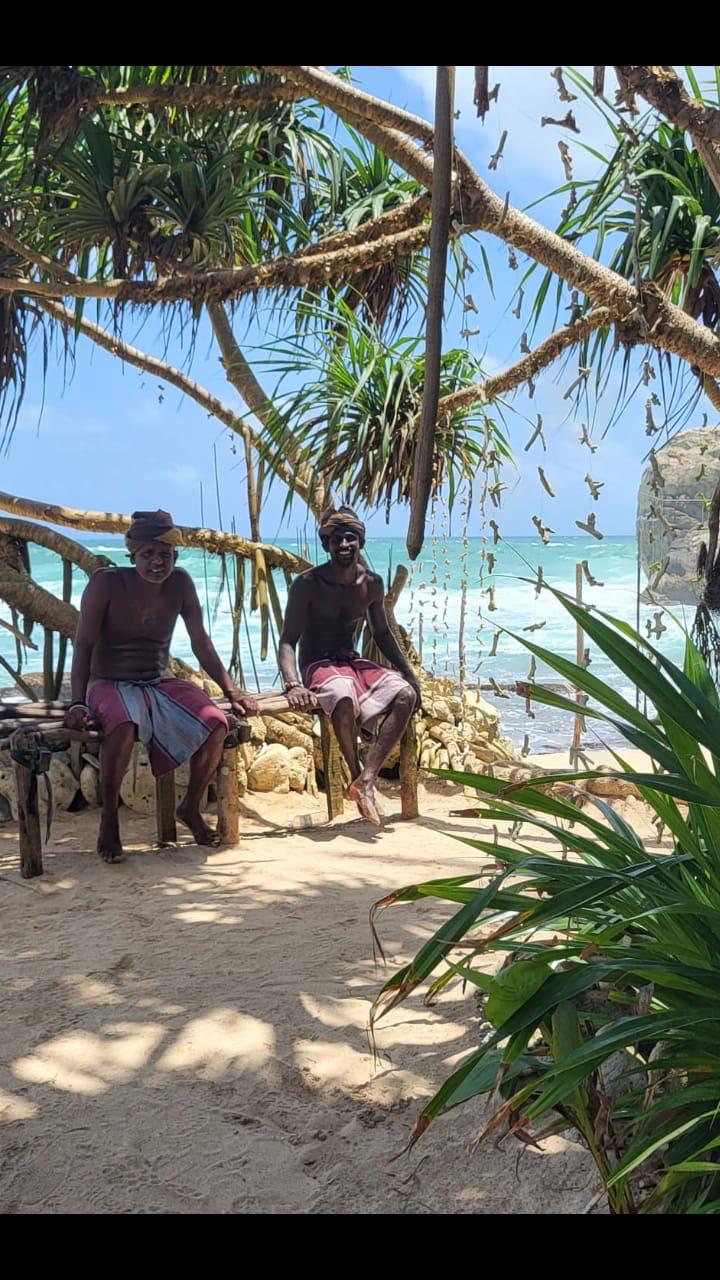
Negombo Beach: Sun, Sand, and Sea
The heart of Negombo’s tourist life is its long, sweeping stretch of golden sand known as Negombo Beach. While the sands are beautiful and perfect for long walks, it’s important to note that currents can often be strong, making wading safer than swimming in many spots.
- Relaxation: Find your ideal spot for sunbathing or simply enjoy the soothing sounds of the Indian Ocean waves.
- Water Sports: For the more adventurous, the beach offers opportunities for kite surfing, windsurfing, and sailing, particularly during the dry season.
- Sunset Views: The sunsets here are truly spectacular, providing a perfect backdrop for an evening stroll or a delicious beachfront dinner.
The Negombo Fish Market (Lellama): A Must-Visit Cultural Hub
A visit to the Negombo Fish Market, locally known as the “Lellama,” is a sensory overload and a truly authentic cultural experience. It is one of the largest and busiest fish markets on the island, showcasing the lifeblood of Negombo’s economy.
- Timing is Key: The best time to visit is early morning (between 5:30 AM and 9:00 AM) to witness the fresh catch being unloaded, the chaotic and vibrant auction, and the hustle of local fishermen and traders.
- Seafood Galore: See an incredible variety of seafood, including tuna, shark, snapper, and the famous prawns, crabs, and lobsters sourced from the nearby lagoon.
- Traditional Drying: Observe the traditional technique of drying fish, with vast carpets of salted fish laid out on the beach and in open-air spaces. This is a unique and photogenic sight.
Dutch Canal and Negombo Lagoon: History and Nature
Negombo’s rich colonial past, shaped by the Portuguese, Dutch, and British, is most evident in its historic waterways.
- The Hamilton Canal: Originally a supply route built by the Dutch to transport cinnamon and other spices, the Dutch Canal (part of the Hamilton Canal system) is perfect for a leisurely boat ride. It offers a glimpse into local life, passing charming villages, colonial-era bridges, and lush scenery.
- Negombo Lagoon Boat Safari: The vast, tranquil Negombo Lagoon is a crucial wetland ecosystem. Take a boat safari to explore the mangrove forests and spot incredible birdlife, including kingfishers, herons, and cormorants. It’s an essential activity for nature lovers and birdwatchers.
Colonial Heritage: Churches and Temples
Negombo’s deep-rooted Catholicism has earned it the nickname ‘Little Rome’. Its religious sites are architectural masterpieces and important cultural landmarks.
- Mary’s Church (Mahaweediya Palliya): This magnificent cathedral is one of the largest in Sri Lanka, famed for its stunning neoclassical architecture and intricate frescoes that adorn its ceilings.
- Sebastian’s Church: Another imposing and beautiful Catholic structure, it is a prominent site in the local community.
- Angurukaramulla Temple: For a taste of Buddhist culture, visit this famous temple, known for its giant seated Buddha statue, vivid murals, and the magnificent dragon entrance believed to ward off evil spirits.
- Dutch Fort Remains: While largely converted into a prison, the historic gateway and remnants of the original Dutch Fort fortifications near the fish market are worth seeing.
Culinary Delights: Sri Lankan Seafood Paradise
Negombo is a haven for seafood lovers. Its location between the ocean and the lagoon ensures the freshest catch daily.
- Beachfront Dining: Enjoy fresh-grilled seafood at one of the many restaurants along the beach strip, often with a view of the sunset.
- Local Specialties: Don’t miss trying local dishes like Spicy Crab Curry, Jaffna Prawn Curry, and the famous Sri Lankan staple, Kottu Roti.
- Cooking Classes: Engage in a local cooking class to learn the secrets of aromatic Sri Lankan spices and prepare a traditional meal.
Getting to and Around Negombo
Negombo is highly accessible, making travel smooth and efficient.
- Airport Proximity: The city is located less than 20 minutes from the Bandaranaike International Airport (CMB), making it the most convenient destination for arrival or departure.
- Local Transport: Tuk-tuks are the easiest and most fun way to get around town. Always agree on a fare before starting your journey. You can also rent a bicycle to explore the town at a slower pace.
Traveling to Colombo
The capital city, Colombo, is easily accessible from Negombo:
| Mode of Transport | Avg. Travel Time | Approx. Cost (LKR) | Notes |
| Bus (Direct) | 55 minutes – 1.5 hours | Rs 150 – 300 | Economical; may be crowded. Departs from Negombo Bus Station. |
| Train (Direct) | 1 hour 15 minutes – 1 hour 40 minutes | Rs 100 – 2,000+ | Scenic, especially 2nd/3rd class. Departs from Negombo Railway Station. |
| Taxi/Uber | 35 – 45 minutes | Rs 4,500 – 7,000 | Fastest and most comfortable. Price depends on service and traffic. |
| Drive | Approx. 35 minutes | Fuel & Expressway tolls | Use the Colombo-Katunayake Expressway (E03). |
FAQ Section for Travelers
Q: Is Negombo a good place to start or end a trip in Sri Lanka?
A: Absolutely. Its close proximity (less than 20 minutes) to the international airport makes it the most convenient location for travelers either recovering from a long flight or seeking a relaxing stop before departure.
Q: What is the best time to visit Negombo?
A: The dry season, from December to April, offers the best weather with sunny days and calm seas, ideal for beach activities. The monsoon season (May to September) brings occasional rain but also fewer crowds.
Q: Is it safe to swim at Negombo Beach?
A: While the beach is beautiful, strong currents can be present. Wading is generally safer than swimming. Always look for safety flags or ask locals before entering the deeper water.
Q: How many days should I spend in Negombo?
A: Most travelers spend 1 to 2 days to enjoy the beach, fish market, lagoon, and historical sites. If you plan to use it as a base for nearby day trips or want a relaxed resort stay, 3 to 4 days would be ideal.
Q: Can I buy fresh seafood at the Negombo Fish Market?
A: Yes, you can. Many hotels or local guesthouses can prepare your purchase for you, offering a truly fresh, ‘sea-to-table’ experience. Be prepared to haggle politely for the best price.