Skip to content
Colombo Sri Lanka – Your Essential Travel Guide
Colombo, Sri Lanka! As the island nation’s commercial capital and a vibrant hub of history, culture, and modernity, Colombo is an unmissable stop on any Sri Lankan itinerary. This comprehensive guide will provide all the information a traveler needs to explore the best of this exciting city.
Exploring the Heart of the City: Top
Tourist Attractions
Colombo is a city of contrasts, where colonial architecture stands proudly next to sleek new skyscrapers. Your journey through the city should include a mix of the historical and the contemporary.
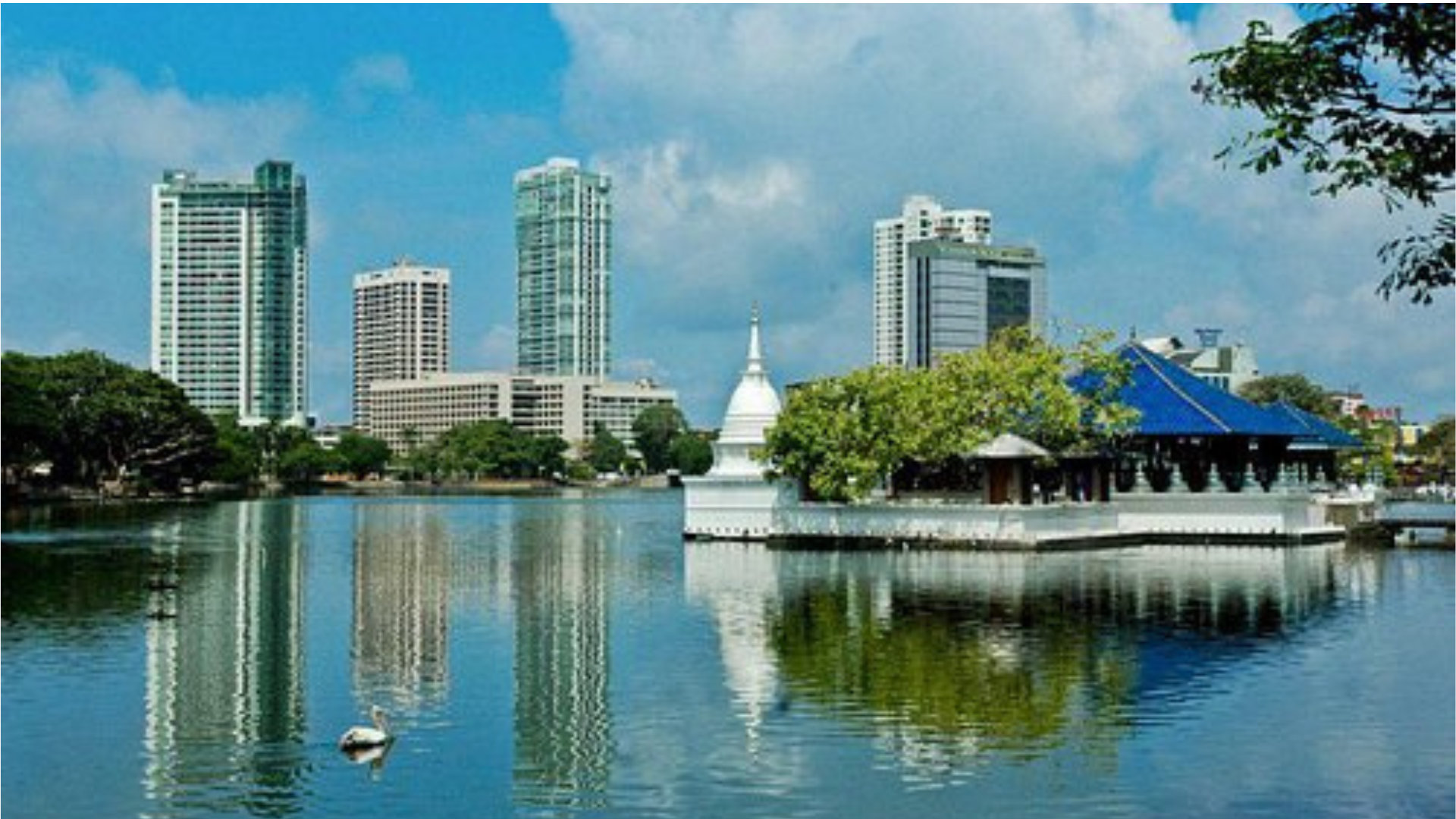
- Gangaramaya Temple and Seema Malaka: A truly unique complex, the Gangaramaya Temple is a major Buddhist temple featuring an eclectic mix of Sri Lankan, Thai, Indian, and Chinese architecture, plus a fascinating museum with various artifacts. The nearby Seema Malaka is a peaceful, floating meditation center on the beautiful Beira Lake, a perfect spot for quiet reflection and stunning sunset photos.
- Galle Face Green: This vast urban ocean-side park is the city’s unofficial social center. It’s perfect for a leisurely stroll, flying a kite, or enjoying the evening atmosphere and famous street food from local vendors. Don’t miss the spicy isso wade (prawn fritters)!
- Jami Ul-Alfar Mosque (Red Mosque): Located in the bustling Pettah district, this visually striking mosque, with its distinctive red and white candy-striped facade, is one of the oldest in the city and an architectural marvel.
- Colombo National Museum: Dive deep into Sri Lanka’s rich history and cultural heritage. As the largest museum in the country, it houses a magnificent collection of royal regalia, ancient art, and colonial-era artifacts.
- Independence Square & Memorial Hall: A symbolic landmark commemorating Sri Lanka’s freedom from British rule. The surrounding area is popular for jogging, cycling, and relaxing in the peaceful gardens.
Shopping and Culinary Delights in Colombo
From chaotic local markets to upscale boutiques, Colombo offers a diverse shopping experience and a world-class food scene.
- Pettah Market: Immerse yourself in the bustling, chaotic, and authentic heart of Colombo’s trade. This sprawling market district is a sensory overload, offering everything from fresh produce and aromatic spices to textiles, jewelry, and electronics. Prepare to haggle!
- Dutch Hospital Shopping Precinct: A beautifully restored colonial-era building that now houses a collection of high-end restaurants, cafes, and stylish shops. It’s a great spot for a relaxed meal or to find unique souvenirs.
- Authentic Sri Lankan Cuisine: Colombo is the best place to sample local delicacies. Seek out street vendors for the popular kottu roti (a dish of chopped roti, vegetables, and meat) and flavorful curries. For a more refined dining experience, the city boasts world-renowned establishments specializing in crab and other fresh seafood.
Choosing Your Base: Where to Stay in Colombo
Colombo offers a range of accommodations, from grand colonial hotels to modern high-rises and budget-friendly guesthouses. The best neighborhood for you depends on your style of travel.
- Galle Face & Colombo Fort: Ideal for first-time visitors and luxury travelers. This area is central, features many top hotels with ocean views, and is close to major attractions and the business district.
- Cinnamon Gardens (Colombo 7): Known as the most upscale and refined district, this area is characterized by leafy, tranquil streets, colonial mansions, and is home to the National Museum and Independence Square. It’s perfect for those seeking a quieter, more cultured stay.
- Kollupitiya (Colpetty): A busy and dynamic neighborhood offering a great mix of shopping, dining, and easy access to both the central areas and the beachfront.
- Mount Lavinia: Located slightly south of the main city, this area offers a more relaxed, beach-focused atmosphere with a variety of hotels and beachside dining options.
Getting Around Colombo: Transportation Tips for Tourists
Navigating Colombo is an adventure in itself, with several convenient options for getting around.
- Tuk-Tuks (Three-Wheelers): The most quintessential and flexible way to travel short distances. Always agree on the fare before starting your journey or ensure the driver uses a reliable meter to avoid overpaying.
- Ride-Hailing Apps: Using a local taxi or ride-hailing app is highly recommended. They offer a comfortable, metered, and hassle-free alternative to street taxis or tuk-tuks, especially for longer journeys.
- Buses: The city’s bus network is extensive and very economical, but buses can be crowded and confusing for a first-time visitor. They offer a true glimpse into local life.
- Walking: The main Fort and Cinnamon Gardens areas are quite walkable, allowing you to absorb the sights, sounds, and architecture at your own pace.
Colombo Traveler FAQs
Q: What is the best time to visit Colombo?
The best time to visit Colombo is generally during the dry season, from December to April. The weather is warm and sunny, making it ideal for sightseeing and enjoying the outdoor spaces like Galle Face Green. May to September sees heavier rainfall, though travel is still possible.
Q: Is Colombo a safe city for tourists?
Yes, Colombo is generally considered safe for tourists. However, as with any major city, it’s always wise to be aware of your surroundings, particularly in crowded areas like the Pettah Market, and to safeguard your belongings.
Q: What currency is used, and should I use cash or card?
The local currency is the Sri Lankan Rupee (LKR). While major hotels and upscale restaurants accept credit cards, you will need cash for tuk-tuks, street food vendors, smaller shops, and market purchases.
Q: What should I wear while sightseeing?
Light, breathable clothing is best due to the tropical climate. When visiting Buddhist and Hindu temples, it is essential to dress respectfully: shoulders and knees must be covered, and you will be asked to remove your shoes and hats before entering.
Q: Is it necessary to pre-book accommodation?
While you can often find a place to stay on arrival, it is highly recommended to pre-book your accommodation, especially if traveling during the peak season (December to April) or if you have specific hotel preferences.